

Your First Flight Lessons
What to expect when you begin learning to fly, from your first preflight inspection to taking the controls of an airplane.
Your first few flight lessons are an exciting introduction to the world of aviation. You'll begin learning how an airplane operates, practice fundamental flying skills, and develop the safety habits that every pilot needs.
You won't be expected to know everything on your first day. Flight training is a gradual process, and your Certified Flight Instructor (CFI) will guide you through each lesson as you build your knowledge, skills, and confidence.
Meeting Your Flight Instructor
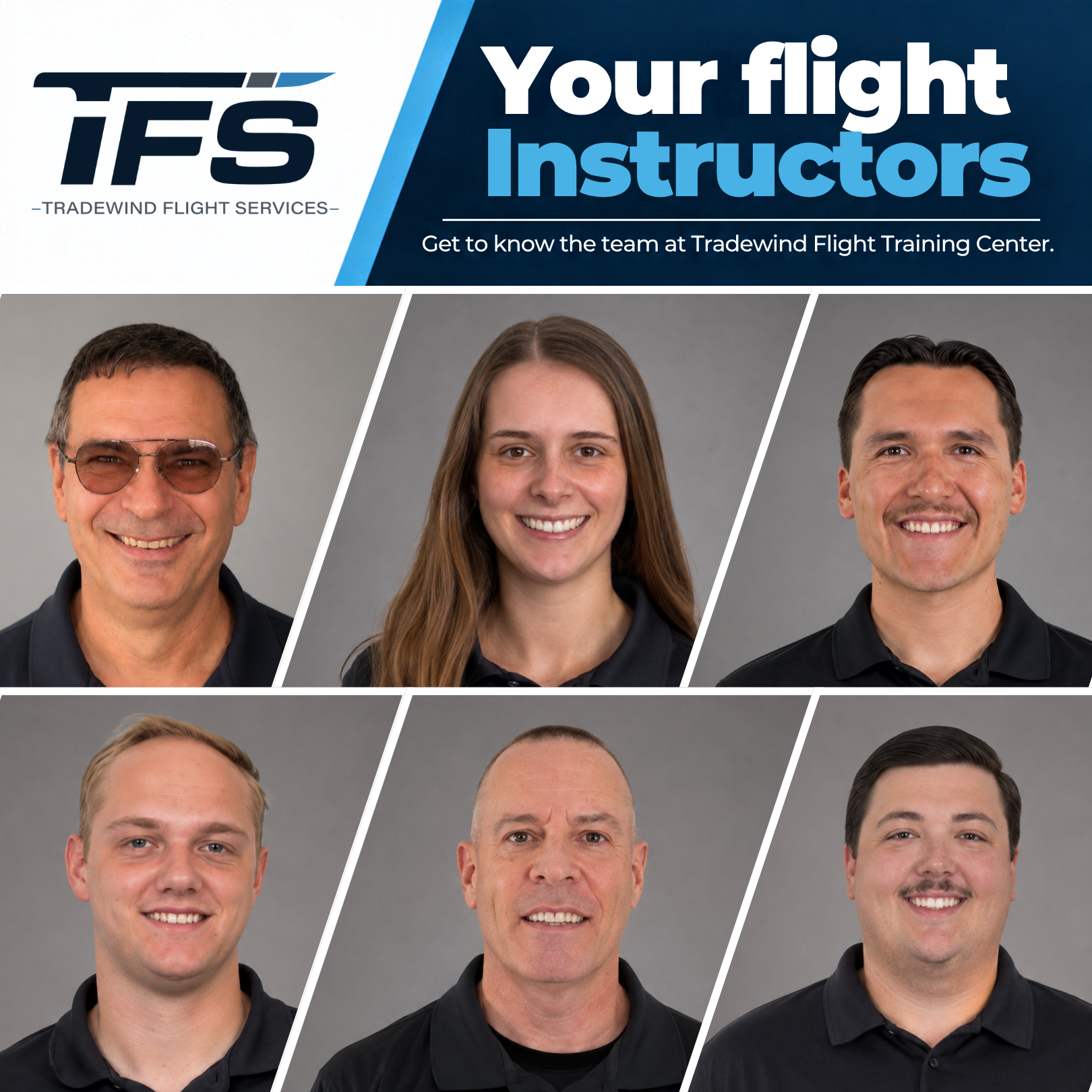
Your flight instructor will be one of the most important people throughout your training. They'll teach you how to operate an aircraft safely, help you develop good decision-making skills, and evaluate your progress as you work toward your pilot certificate.
Before heading to the airplane, you'll typically spend some time discussing the day's lesson.
Your instructor may cover:
- The skills and maneuvers you'll be practicing.
- Weather conditions and how they affect the flight.
- The route or practice area you'll be using.
- Important safety procedures.
- Any questions you have about the lesson.
This discussion is called a preflight briefing. It helps ensure you understand the objectives before taking to the air.
Getting to Know the Airplane
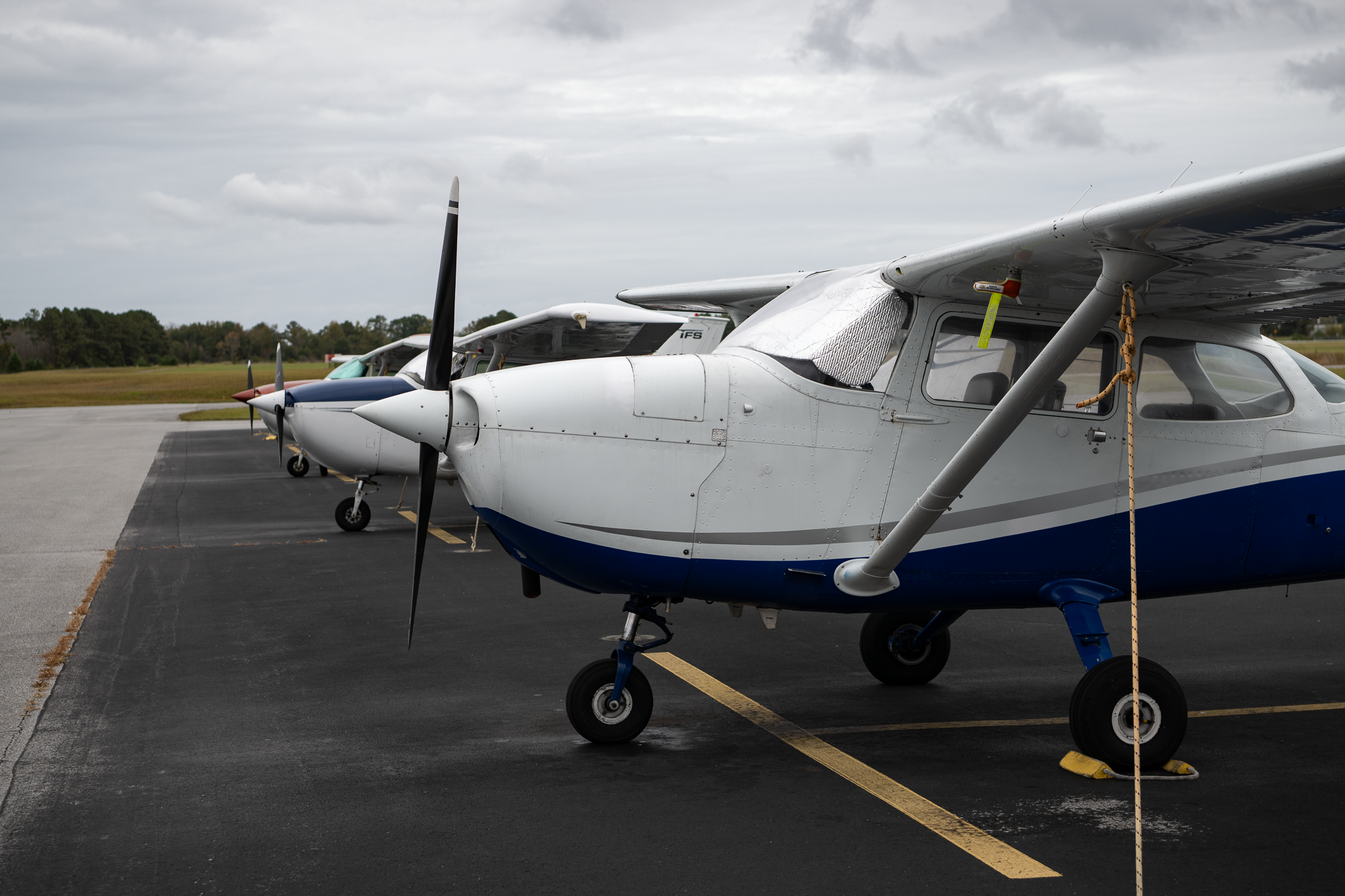
Before every flight, pilots perform a preflight inspection to confirm the airplane is in a condition for safe operation.
During your early lessons, your instructor will introduce you to the different parts of the aircraft and show you how to conduct this inspection using a checklist.
You'll begin learning how to inspect items such as the:
- Wings, tail, and flight control surfaces.
- Tires, landing gear, and brakes.
- Fuel quantity and fuel samples.
- Engine oil level and visible engine components.
- Exterior lights and other required equipment.
You'll also become familiar with the cockpit, including the flight controls, instruments, radios, and safety equipment.
At first, your instructor will demonstrate many of these procedures. As training progresses, you'll take on more responsibility for completing them yourself.
Taking the Controls
One of the most exciting parts of your first flight lessons is that you'll actually begin learning to fly the airplane.
Training aircraft are equipped with flight controls that allow your instructor to demonstrate maneuvers, guide your movements, and take control whenever necessary.
During your early lessons, you'll typically be introduced to four fundamental flight maneuvers:
- Straight-and-level flight: Maintaining a consistent heading and altitude.
- Climbs: Increasing the airplane's altitude while maintaining appropriate airspeed.
- Descents: Reducing altitude in a controlled manner.
- Turns: Changing direction while maintaining coordinated flight.
Your instructor will explain how the control yoke or stick, rudder pedals, and engine power work together to control the airplane.
You'll also begin learning how to use outside visual references, including the horizon, to maintain the airplane's attitude.
Don't worry if coordinating everything feels unfamiliar at first. Developing a feel for the aircraft takes practice, and that's exactly what these early lessons are designed to provide.
What Happens After the Flight?
Your lesson doesn't end when the airplane lands.
After returning to the airport and securing the aircraft, you'll typically have a postflight debriefing with your instructor.
This is an opportunity to discuss what you practiced, what went well, and what you'll continue working on.
Your instructor may also:
- Review your progress toward specific training objectives.
- Answer questions about anything you experienced.
- Record the flight in your logbook.
- Recommend reading or studying before your next lesson.
- Discuss what to expect during upcoming lessons.
How Your First Few Lessons Build on Each Other
Every student progresses at a different pace, and the exact sequence of lessons can vary. Generally, your early training focuses on becoming comfortable with the airplane and learning basic flight maneuvers.
As your skills develop, you'll begin practicing more advanced tasks, including:
- Taxiing and operating around the airport.
- Takeoffs and landings.
- Airspeed and altitude control.
- Basic navigation and radio communications.
- Recognizing and responding to changes in flight conditions.
- Emergency procedures and safe decision-making.
You won't be expected to master these skills immediately. Your instructor will introduce new concepts while reinforcing the fundamentals you've already learned.
Over time, these individual skills come together as you work toward one of the most memorable milestones in flight training: your first solo flight.
How to Prepare for Your First Lesson
A little preparation can help you get more out of your early flight training.
- Dress comfortably. Wear clothing appropriate for the weather and comfortable, secure shoes suitable for operating the rudder pedals.
- Bring something to take notes. A notebook can help you remember new terminology, procedures, and topics to review later.
- Get a good night's sleep. Flying requires attention and concentration, so arrive well-rested and ready to learn.
- Ask questions. You're not expected to understand everything immediately. If something is unclear, ask your instructor to explain it.
- Be flexible. Weather, aircraft availability, and other operational factors can sometimes require lessons to be adjusted or rescheduled. Safety always comes first.
Most importantly, remember that you're there to learn. Mistakes are a normal part of developing new skills, and your instructor is there to help you improve.
Every Pilot Starts Somewhere
Your first flight lessons are the beginning of a much larger learning experience. Each preflight inspection, maneuver, and conversation with your instructor contributes to the knowledge and confidence you'll develop as a pilot.
At Tradewind Flight Training Center in New Bern, North Carolina, students receive one-on-one flight instruction as they work toward their aviation goals.