Why Now Is the Best Time to Chase the Sky
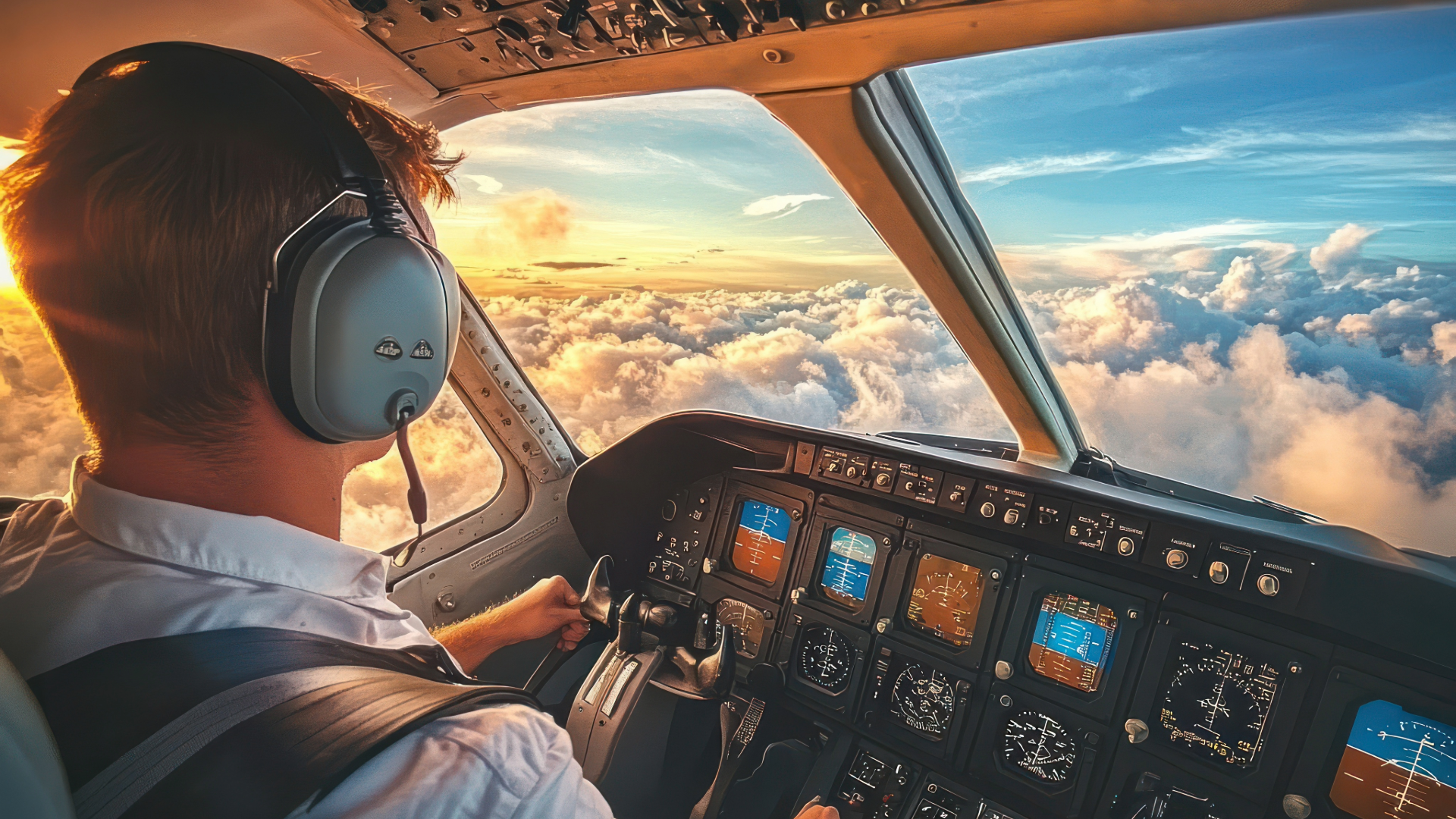
Have you ever looked up at a plane slicing through the clouds and thought, "That could be me"? If you have, even for a second, you're not just dreaming. You're sensing something real. Because right now, the aviation industry isn't just hiring pilots. It's hungry for them.
I've spent over 40 years in the cockpit, from Navy jets to commercial airliners, and I've never seen a moment like this. Parents ask me, "Is aviation still a smart career?" Students ask, "Is it worth it?"
Here's the truth: The world doesn't just need pilots. It's running out of them. And that's where you come in.
The Pilot Shortage Is Real — and It's Your Opportunity
Let's talk numbers. The U.S. Bureau of Labor Statistics says we'll need 18,500 new pilots every year for the foreseeable future. In the next five years alone, over 16,000 pilots will retire. By 2045? That number jumps to 80,000.
Globally, Boeing and Airbus estimate we'll need over 650,000 new pilots by 2043. That's not a forecast. That's a call to action.
2025 Is Already Taking Off
This year alone, in just the first two months, major airlines like United, Delta, and American hired over 1,100 pilots. Regional carriers are offering signing bonuses. Legacy airlines are building their own training academies to secure talent early.
At Tradewind Flight Training Center, we're not just watching this happen — we're preparing students to step into those cockpits. Every lesson, every simulator session, every takeoff is a step toward a seat that's waiting for you.
Let's Talk About the Money
Pilots are earning six figures faster than ever. American Airlines reports an average salary of $352,000. Hourly rates range from $116 to $447 depending on experience and aircraft.
But beyond the paycheck, flying is a career built on respect, responsibility, and adventure. It's one of the few jobs where your office view is 35,000 feet above the ground — and every day is different.
Getting Started Has Never Been More Accessible
Airlines are investing in training like never before. United's Aviate Academy plans to train 5,000 pilots by 2030. That's great news for students at FAA Part 141 schools like ours, where structured, scenario-based training prepares you for the real world of aviation.
At Tradewind Flight Training Center in New Bern, NC, we train:
- High school grads chasing their dream
- Military veterans transitioning to civilian careers
- Career changers ready for a new chapter
- International students (we're SEVIS-approved for M-1 visas)
Our training blends military discipline, airline procedures, and general aviation fundamentals — so you graduate not just as a pilot, but as a professional.
"But What About AI?"
I get this question a lot: "Won't AI take over the cockpit?" Let me be clear: not anytime soon. Yes, automation is growing. Yes, drones and air taxis are evolving. But fully autonomous, pilotless commercial flights? That's science fiction — for now, and maybe forever.
Even the most advanced aircraft still need human judgment, leadership, and accountability. AI won't replace pilots; it'll create new roles for certified operators in unmanned and hybrid systems. Would you board a plane with no pilot and no override switch? Didn't think so.
Today's Pilot Is a New Kind of Professional
Modern cockpits are digital ecosystems. Today's pilots are more than just skilled flyers; they're systems managers, risk mitigators, and leaders under pressure.
That's why at Tradewind, we go beyond the basics. We teach:
- Advanced cockpit resource management (CRM)
- Real-world decision-making
- Systems integration
- And yes — good old-fashioned airmanship
Because no matter how advanced the tech gets, aviation is still a human craft.
Final Approach: The Sky Is Calling
The demand is real. The training is accessible. And the career? It's one of the most exciting, respected, and rewarding paths you can take. At Tradewind Flight Training Center, we don't just teach people how to fly. We build pilots — pilots who will lead the next generation of aviation, both in the air and on the ground.
About the Author
Darryl Centanni
Founder & President, Tradewind Flight Training Center
Darryl Centanni is a retired U.S. Navy Commander, former Naval Flight Officer, and seasoned commercial airline pilot with over 40 years of aviation experience. As the Founder and President of Tradewind Flight Training Center and Tradewind Government Solutions, Darryl brings a rare blend of military precision, airline expertise, and entrepreneurial leadership to the next generation of pilots. His mission? To train not just skilled aviators — but confident, capable professionals ready to lead the future of flight.
Ready to Take Off?
Located at Coastal Carolina Regional Airport (KEWN) in New Bern, NC. FAA Part 141 Approved and SEVIS-Approved for M-1 Visas. Schedule a tour or discovery flight today.
Schedule a Discovery Flight